Your business is growing, and with growth comes complexity. The promise of new technology—AI code generators, powerful SaaS platforms, or a "revolutionary" new library—is tempting. We've all seen the dazzling demos.
But a hard truth exists: a bad technology choice can become technical quicksand. It introduces crippling security vulnerabilities, locks you into unsustainable costs, or simply slows your team down.
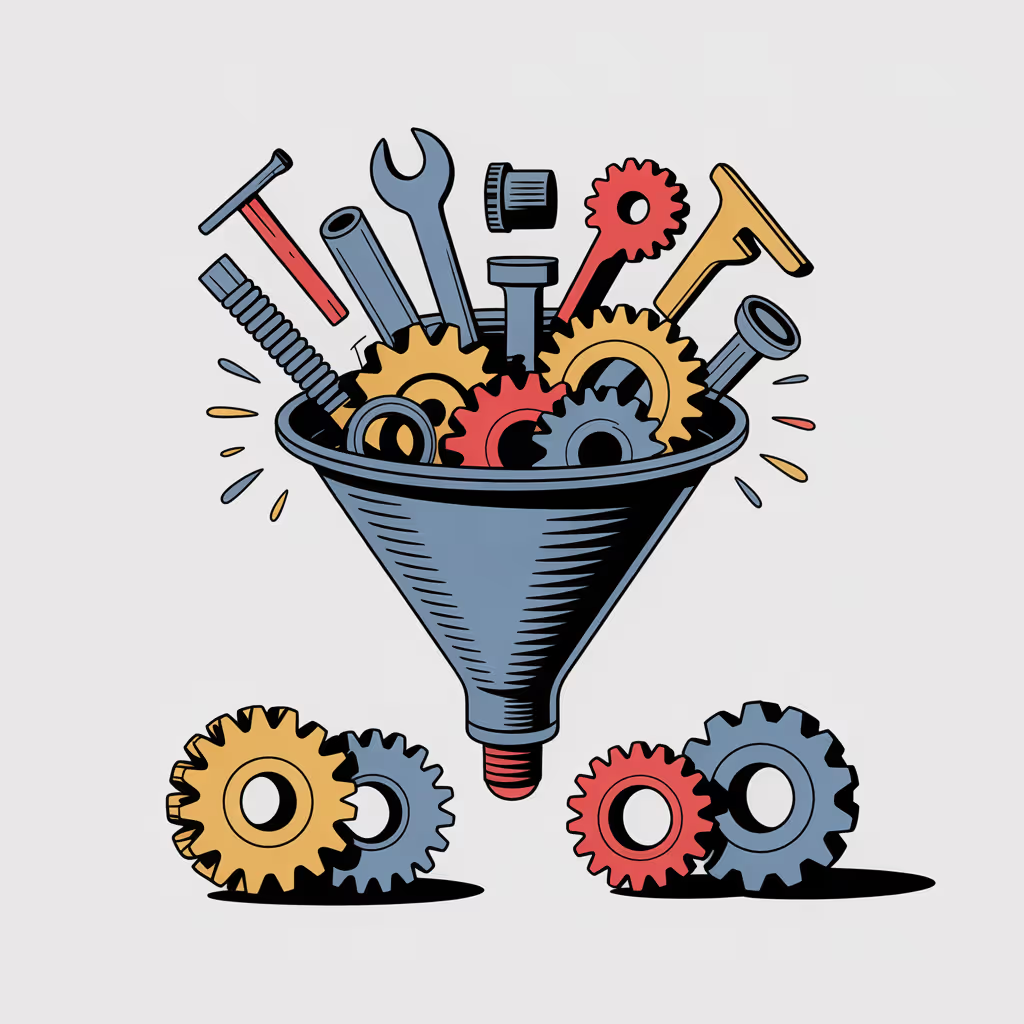
At Pure Elements, we are committed to using the best tools, but we are equally committed to risk mitigation. We don’t adopt a new tool until it has passed our rigorous Technology Vetting Playbook. This isn't a simple checklist; it's a strategic framework that ensures every new piece of technology is an asset, not a future liability.
The High Cost of Unvetted Tech
Most companies vet technology with a simple trial run: "Does it do the thing we need it to do?" This is a necessary step, but it’s insufficient.
A technology that passes a functional test but fails a strategic one results in:
- Cost Overruns: Hidden fees, pricing tiers that punish scale, or high integration costs.
- Security Gaps: Using tools that haven't been penetration-tested or lack enterprise-level access controls.
- Team Friction: Tools with a steep learning curve that actually decrease productivity for your developers or project managers.
We realized the "just build it" approach doesn't scale for tools any more than it does for websites.
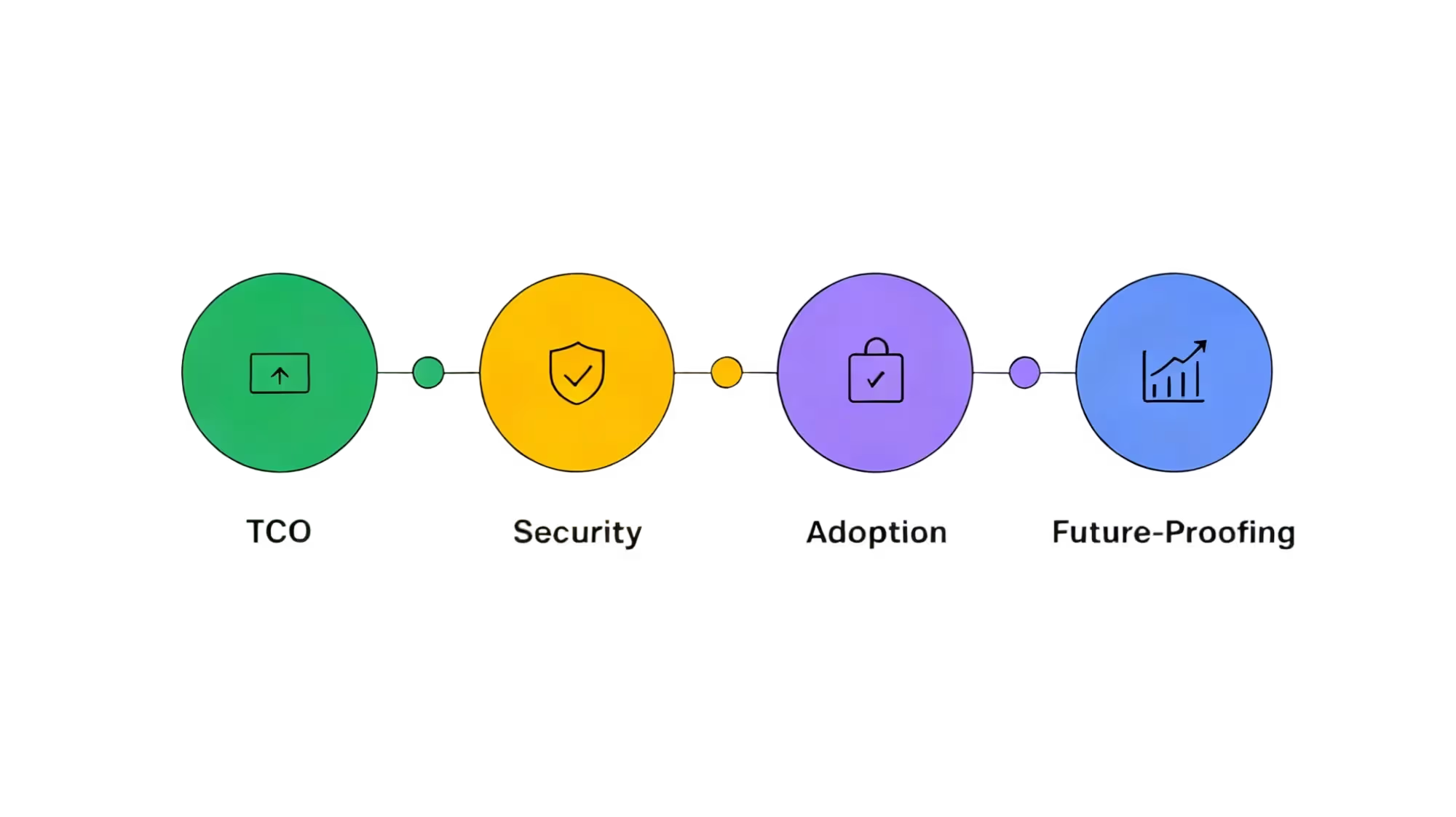
Phase 1: The Financial & Licensing Audit (The TCO Test)
The first step is moving past the immediate sticker price and calculating the Total Cost of Ownership (TCO) for the next three years.
- TCO Calculation: What will the licensing cost be when we double our team size or our user base?
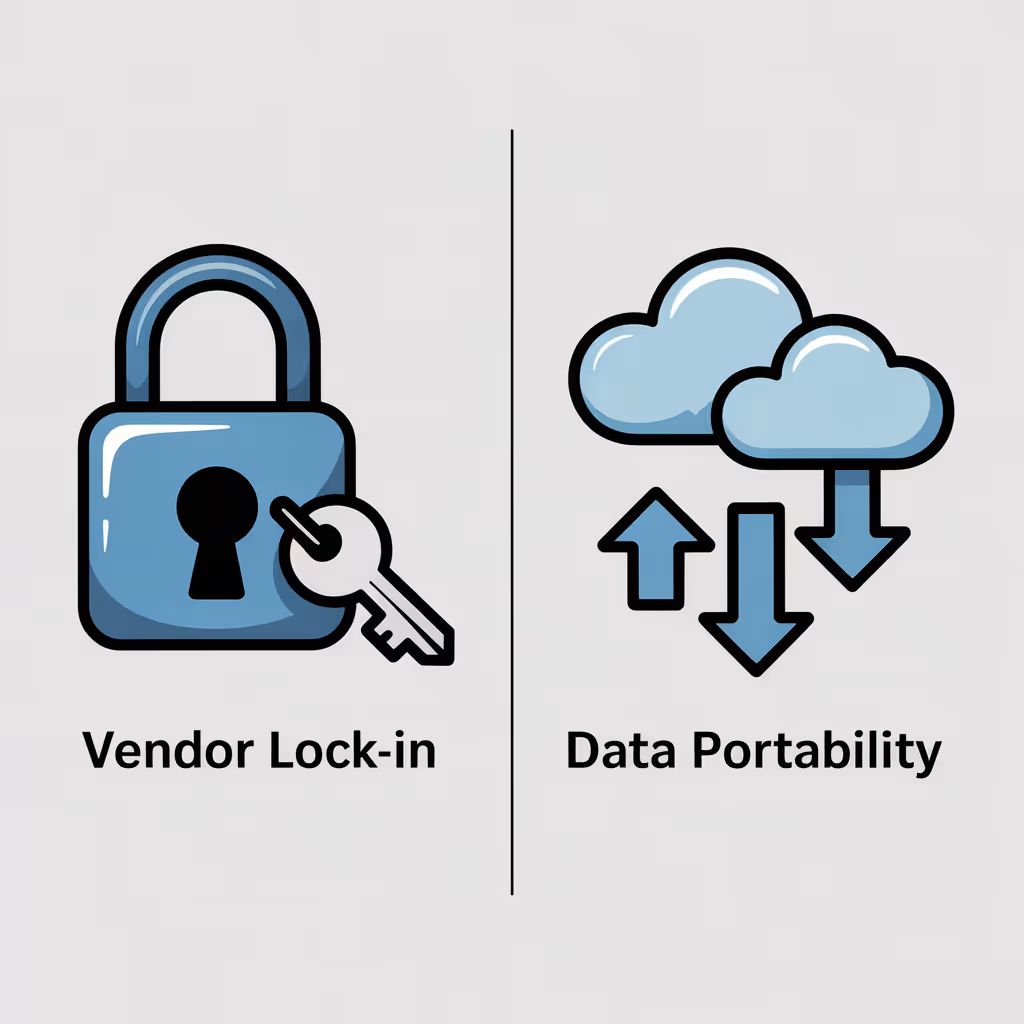
- Exit Strategy: What is the cost and complexity of migrating out of this tool? This is the core of mitigating vendor lock-in. If the data is difficult to export or the codebase is proprietary, the risk is too high.
- Support Cost: Does the tool require a dedicated internal expert, or does it come with reliable, responsive support?
We need to ensure the tool’s economics align with our client’s long-term business model, not just our current project budget.
Phase 2: Security & Architectural Integrity
As developers, security is non-negotiable. Before any client data touches a new system, we perform an architectural audit.
- Data Residency: Where is the data stored (e.g., US, EU, UAE)? Does this comply with the client’s legal and regulatory requirements?
- Authentication & Access: Does it support Single Sign-On (SSO)? Can we enforce two-factor authentication (2FA)? Does it have granular role-based access control?
- Integration Risk: If this tool is integrated via API, what are the API limits, and what level of access is the token granting? We always adhere to the principle of least privilege.
Phase 3: Team Adoption & Learning Curve
A great tool is worthless if your team won't use it, or if it takes three months to master. We test for two crucial factors:
- Time-to-Value: How quickly can a new or existing team member become proficient? We factor this cost into our project estimates.
- Documentation Quality: Is the official documentation comprehensive, well-maintained, and are there active community resources? Poor documentation is a huge red flag that will kill productivity. (This is a key reason we value platforms with great resources, like a low-code platform or a project-management tool).
We run small, time-boxed pilot projects. If the team's efficiency doesn't demonstrably increase within the pilot window, the tool is a distraction, not an advantage.
Phase 4: Future-Proofing & Ecosystem Health
Technology is a living thing. We look for indicators that the tool will be around and continue to innovate.
- API Roadmap: Is there a public API roadmap? Is the product actively developed and frequently updated? A tool without a clear development path is a frozen asset.
- Ecosystem: How well does the tool integrate with our existing stack? (e.g., Can it feed data into your CRM, or post updates to your team chat?) We look for tools that are connectors, not silos.
- Stability of the Vendor: Is the company venture-backed and growing, or is it a small side-project? While we don’t demand huge scale, financial instability is a strategic risk we must avoid.
Conclusion:
Innovation is crucial, but it shouldn't come at the expense of stability. By implementing a disciplined framework that prioritizes long-term cost, security, and team adoption, you transform technology evaluation from a subjective gamble into a strategic business process.
At Pure Elements, we don't just recommend technology; we recommend proven, de-risked solutions that we use internally and that will serve your business for years to come.